
Popular Tree Removal Products for Safe and Effective Work
Discover top-rated tools and accessories that ensure precise cuts and reliable performance during tree removal tasks.
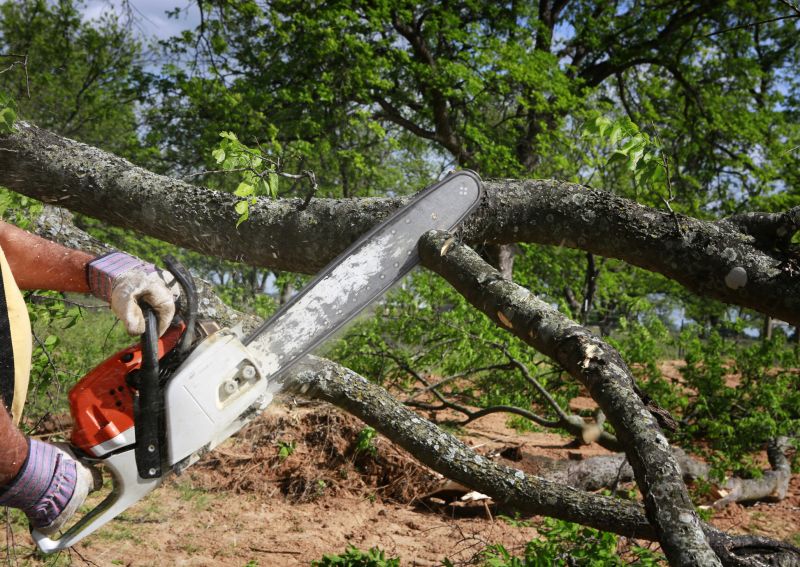 Tree removal is a significant task that requires the right equipment to ensure safety and efficiency. Whether dealing with hazardous limbs, fallen trees, or clearing space for construction, having the appropriate tools can make the process smoother. From handheld tools to heavy-duty machinery, there is a range of products designed to assist with various aspects of tree removal. Proper planning and the right equipment can help mitigate risks and improve the overall effectiveness of the task.
Top Overall Option
Heavy-Duty Electric Chain Saw
A versatile electric chain saw offers a balance of power and ease of use, making it suitable for various tree removal tasks. It provides consistent cutting performance without the need for fuel, and its design often includes safety features such as chain brakes and ergonomic handles. Ideal for homeowners and professionals alike, this tool can handle medium to large branches and small to medium-sized trees with precision and control.
Types of Products For Tree Removals
Manual Pruning Saws
Ideal for detailed trimming and small branch removal, manual pruning saws are lightweight and easy to maneuver.
Pole Pruners
Extendable tools that allow for cutting high branches without the need for ladders, suitable for medium-sized limbs.
Chainsaws
Powerful handheld tools designed for cutting through large branches and small trees efficiently.
Reciprocating Saws
Versatile power tools that can cut through wood, metal, and other materials, useful for demolition tasks during tree removal.
Loppers
Long-handled cutting tools suitable for trimming branches within reach, providing leverage for easier cuts.
Aerial Lifts
Mobile elevated work platforms that facilitate safe access to high branches and tree tops.
Stump Grinders
Specialized equipment used to grind down tree stumps after removal, preventing regrowth.
Rope and Pulley Systems
Manual systems used for controlled lowering of heavy branches or small trees, enhancing safety.
Safety Harnesses and Ropes
Personal protective equipment essential for securing workers during high-elevation tasks.
Debris Chutes
Devices that help direct cut branches and logs safely to the ground, reducing cleanup time.
Hydraulic Tree Pullers
Heavy machinery attachments used for pulling out stumps or uprooting small trees.
Wood Chippers
Equipment used to convert branches and small logs into mulch or chips, aiding in cleanup.
Manual Axes and Hatchets
Basic hand tools suitable for chopping small branches or clearing brush.
Tree Removal Blades
Specialized blades designed for attachment to power tools, ideal for cutting through dense wood.
Portable Winches
Devices used to assist in pulling or lowering large branches or small trees safely.
Chainsaw Carving Tools
Specialized tools for shaping or removing wood in artistic or detailed pruning tasks.
Battery-Powered Trimmers
Cordless tools that offer mobility and ease of use for trimming smaller branches and shrubs.
Popular Choices
Popular for their portability and ease of use, suitable for small to medium tree tasks.
Frequently used for reaching high branches without ladders, combining safety and convenience.
Common for quick, small cuts and trimming tasks, especially in tight spaces.
Preferred for chopping larger branches and small trunks during removal projects.
Trending for their effectiveness in eliminating stubborn stumps after tree removal.
Popular for on-site debris processing, making cleanup more manageable.
Essential safety gear that is often recommended for tree removal activities.
Widely used for controlled lowering and safe handling of large branches.
Increasingly favored for processing wood after cutting, especially in larger projects.
Useful for trimming smaller branches and shrubs during tree removal cleanup.
Popular for safe access to high branches, especially in professional settings.
Cost-effective options for managing heavy loads during tree removal.
In demand for efficient debris processing and easy disposal.
Increasingly used for pulling out stubborn stumps and small trees.
Popular among professionals and homeowners for comprehensive safety during operations.
Favored for their reach and ease of use for high pruning tasks.
Safety is paramount when working with trees, especially when handling large or unstable specimens. Protective gear such as helmets, gloves, and eye protection should be used in conjunction with the right cutting tools. Additionally, understanding the size and type of the tree, as well as the surrounding environment, can influence the choice of equipment. For instance, smaller trees may be manageable with manual tools, while larger trees might require powered equipment or professional assistance.
Choosing the right products involves considering factors like the size of the tree, the terrain, and the frequency of use. Durable construction, ease of use, and safety features are essential elements to look for. Investing in quality tools can also save time and reduce the risk of accidents. Whether you are a homeowner tackling a fallen branch or a professional arborist managing multiple jobs, selecting appropriate products tailored to your needs is crucial for successful tree removal projects.
Key Buying Considerations
- Tree size and type: Ensure the equipment is rated for the diameter and species of the tree.
- Power source: Decide between electric, battery-powered, or gas-powered tools based on mobility needs.
- Safety features: Look for tools with safety mechanisms such as chain brakes, guards, and ergonomic handles.
- Ease of use: Consider user-friendly designs, especially if you are a DIY enthusiast.
- Durability and build quality: Opt for robust materials that can withstand frequent use.
- Maintenance requirements: Choose equipment that is easy to clean and service.
- Weight and portability: Lighter tools are easier to handle, especially for extended periods.
- Environmental conditions: Select equipment suitable for outdoor use in your climate.
- Budget constraints: Balance cost with features and quality to get the best value.
- Availability of accessories: Check for compatible attachments or replacement parts.
- Noise levels: Be aware of noise restrictions or preferences, especially in residential areas.
- Storage space: Consider the size of the equipment and storage options.
- Professional vs DIY use: Determine if the equipment is intended for occasional use or heavy-duty professional work.
- Environmental safety: Ensure the tools meet safety standards for outdoor work.
- Skill level required: Match equipment complexity with your experience to ensure safe operation.
This content contains affiliate links. We may earn a commission if you purchase through these links, at no additional cost to you.